Flame Marine reports
Flame Diagnostic
A comprehensive report covering the fuel system, engine performance, and cylinder oil and condition of slow-speed two-stroke crosshead engines, MAN B&W, WinGD and UE, from samples and readings taken in normal service without stopping the engine or reducing power. Your technical department in one report.
What goes into a report
Each report is built from samples and readings taken at the same time, so that the chemistry and the engine's operating condition describe the same moment:
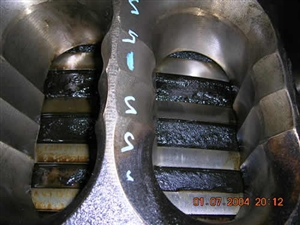
- scavenge drain oil from every cylinder
- crankcase system oil, and the fresh cylinder oil as the reference for the dilution correction
- fuel, drawn from points in the vessel's fuel system
- engine performance data: load, Pmax and compression pressure for each unit, fuel pump index, scavenge air pressure and temperature, and cylinder lubricator settings
All samples are analysed in an accredited laboratory. Nothing is tested on board.
How the results are read
Before anything else, every result is corrected for dilution. Scavenge drain oil is used cylinder oil mixed with system oil from the stuffing box, fuel and water; read uncorrected, it understates wear and overstates the loss of BN. Flame Marine was the first to understand and use dilution and contamination correction in drain oil sampling, and every result is corrected with Flame ADT and reported on a cylinder-oil basis. Dilution and Flame ADT.
Drain oil chemistry on its own shows that wear, deposits or contamination are present. Read with the performance data and the engine's history, it shows the cause. Flame Diagnostic combines the two in a model of each unit that weighs more than a thousand relationships between the measurements, built up from decades of sampled engines.
Cross-checking the measurements against each other also tests the data itself. If a unit reports a good Pmax but its drain oil points to poor combustion, the two do not fit, because poor combustion lowers peak pressure. The report questions the reading rather than building conclusions on it.
Your technical department in one report
One report covers the fuel system, engine performance, and cylinder oil and condition, read together rather than in three places. It saves the time of your technical staff, who receive the reading rather than the raw data, and the cost of overhauls and cylinder oil the engine does not need.
Cylinder lubrication
Low-sulphur fuels, scrubber-fitted vessels burning high-sulphur fuel, and dual-fuel engines on LNG or methanol all change what the cylinder oil has to do. The designers' guidance sets feed rate and BN against measured iron and residual BN, and calls for fresh analysis after every change of fuel, feed rate or cylinder oil.
Flame Diagnostic tracks these values unit by unit and recommends gradual, safe changes to feed rate and BN, worked through with the chief engineer. Lowering the feed rate where it is safe reduces deposits, cylinder oil consumption and the volume of waste drain oil. Flame Marine supplies no lubricant, so the recommendation has no commercial interest in the outcome.
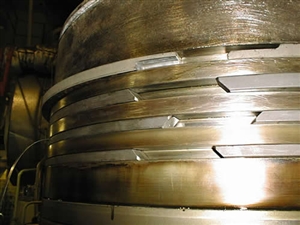
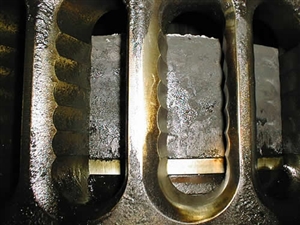
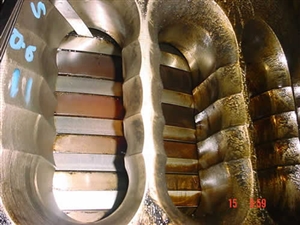
Wear, deposits and blow-by
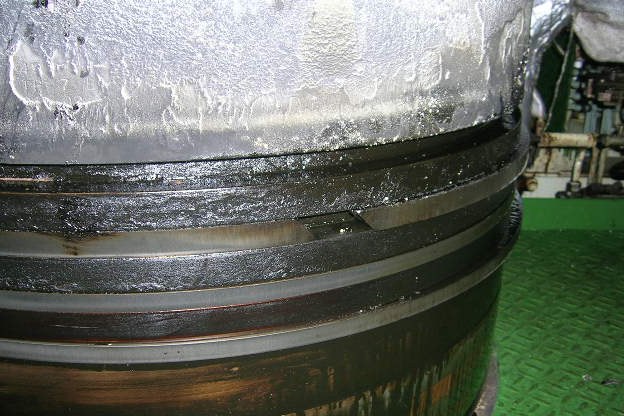
The report identifies corrosive and abrasive liner wear, ring groove and piston crown deposits, sticking rings, blow-by, skirt abrasion from misalignment, and stuffing box leakage. Trace changes in the drain oil give early warning, often well before the problem would show in performance data or at a scavenge port inspection.
Overhaul by condition
The designers' overhaul intervals have to allow for the worst operating conditions. Most engines run better than that. Because Flame Diagnostic follows the condition of each unit, it can show which units need attention now and which can safely run on, so overhauls can be planned around the engine rather than the calendar.
System oil
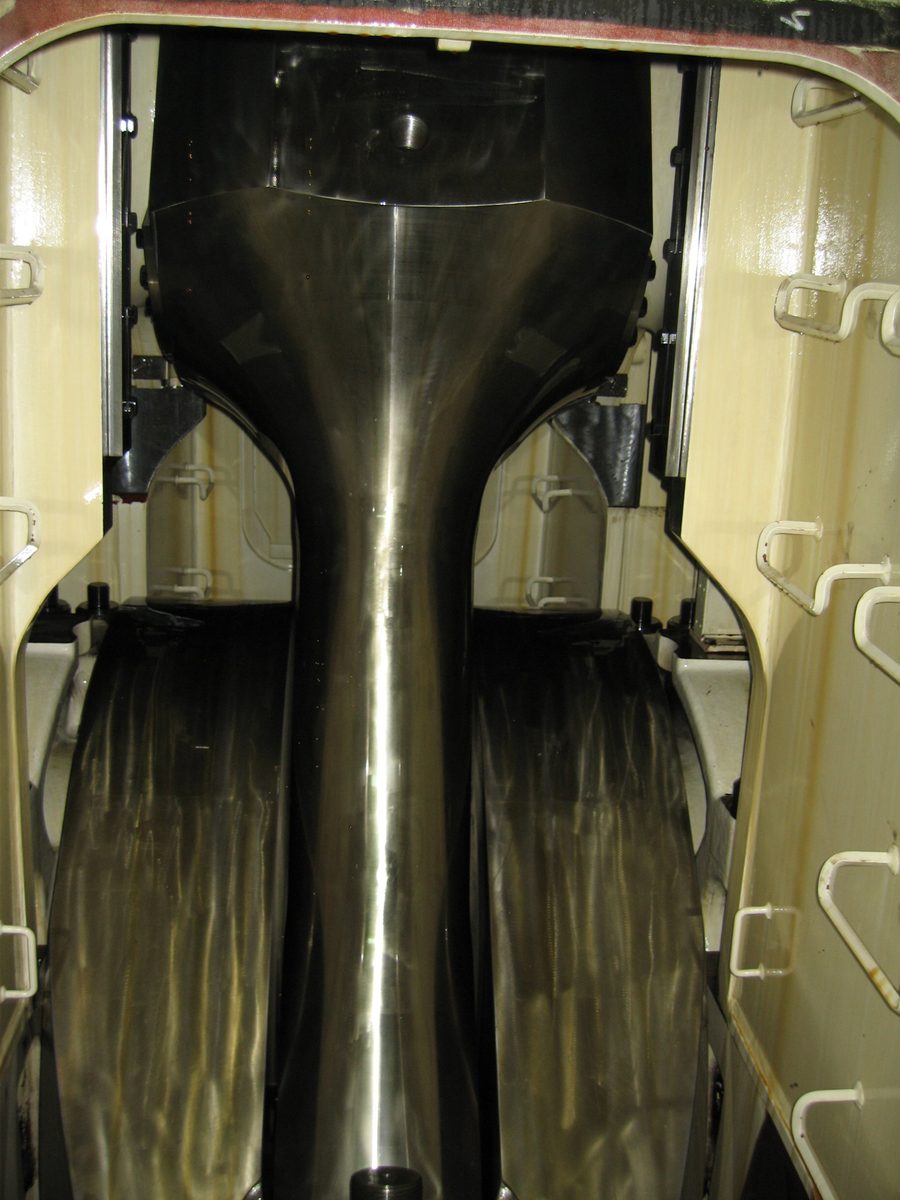
The crankcase system oil sample covers the other side of the engine: bearing wear, contamination, and whether the stuffing boxes are keeping the residues from the cylinders out of the system oil. Its analysis also tells Flame ADT what the system oil in the engine actually contains, which sharpens the correction of the drain oil results.
Fuel
Fuel treatment and the fuel system
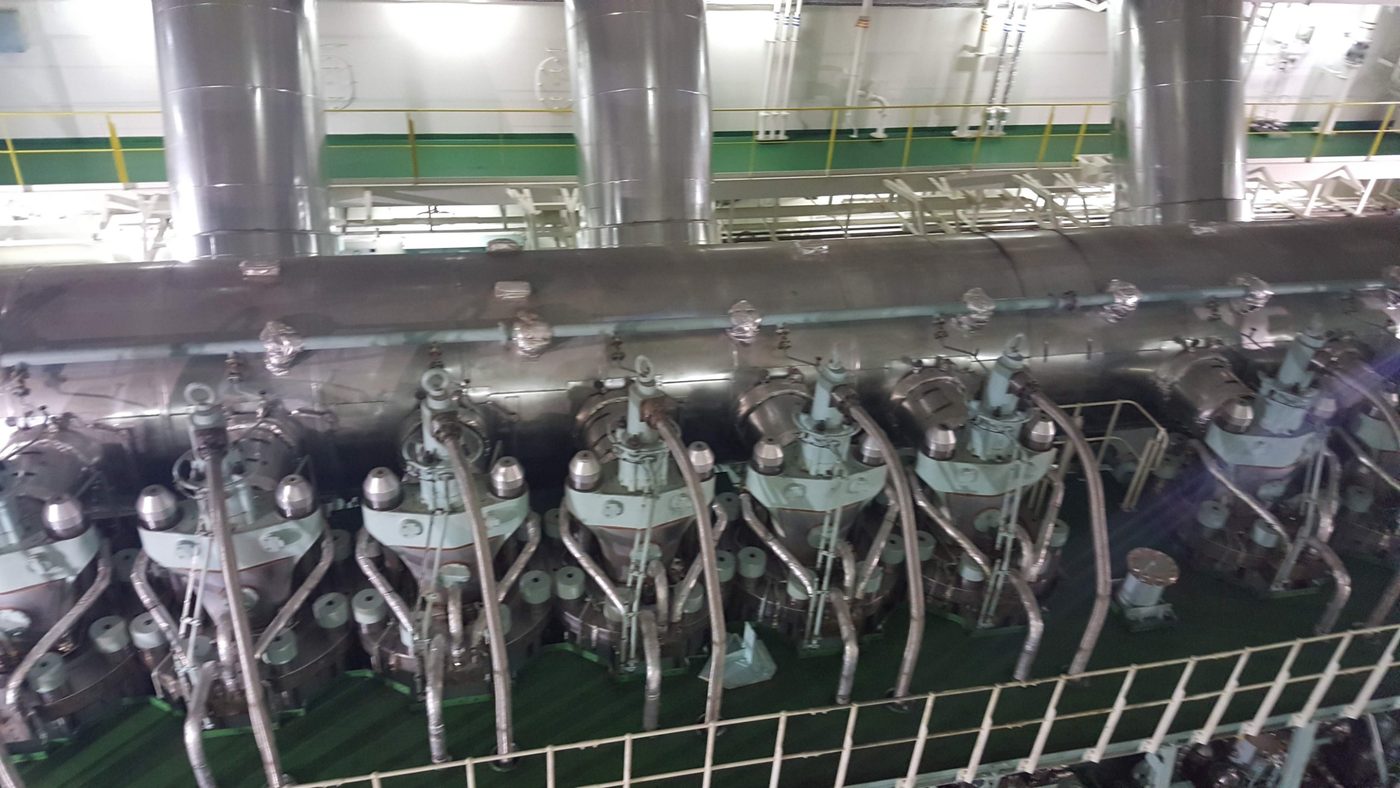
Fuel samples are drawn from three points in the vessel's fuel system, before the purifiers, after them and before the engine, and analysed in the laboratory.
Comparing 1 with 2 shows what the purifiers removed: water, catalytic fines and other solids, and so how efficiently they are running. Comparing 2 with 3 shows what happened after the purifiers, in the service tank and the booster system: contamination, water, or a change in viscosity that means another fuel has mixed in. Point 3 is the fuel as the engine burns it, and it is read with the drain oil and the performance data. The results are reported for their effect on combustion and wear in each unit.
Inside a report
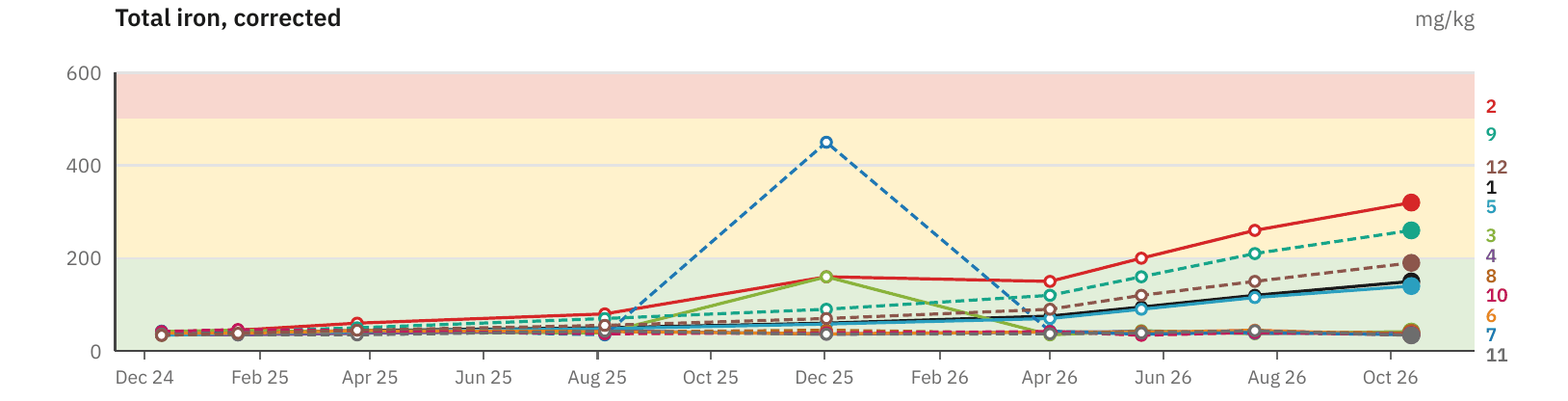
Each conclusion in a Flame Diagnostic report is supported by the measurements behind it, with trends against earlier reports. The extracts below show the kind of detail to expect; one is from 2006, included because it shows dilution in the reading from the early years. Report formats develop over time.
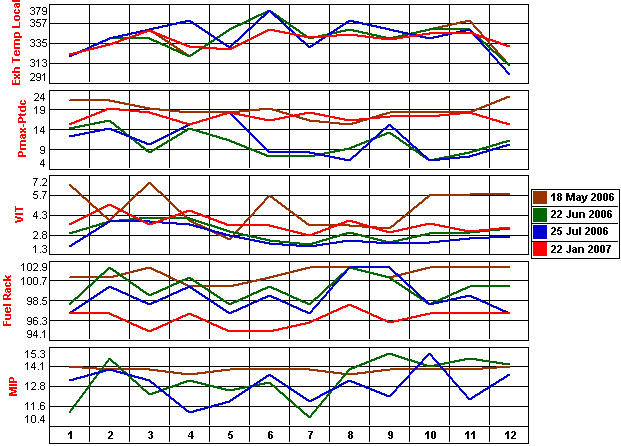
The performance evaluation compares a number of characteristics over successive reports and weighs them against data for the same engine type to build the performance and combustion findings.
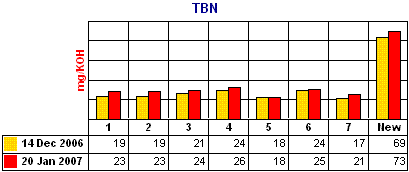
- The same acid condensation as the previous report is expected with current fuel sulphur and reported engine load.
- Higher BN in the drain oil than last time is expected with current acid condensation and increased lubricant consumption.
- Variation in BN between units is due to dilution by fuel and system oil contamination.
- Units 5 and 7 show more contamination than the other units; unit 4 shows less.
- Alkaline reserve appears adequate for current fuel and engine load, allowing for the greater contamination of unit 5.
Drain oil trends compare each measured value, here BN, with what the current fuel, load and feed rate should produce, and with the engine's history. This extract, from 2006, already attributes the variation in BN between units to dilution by fuel and system oil and reads the alkaline reserve on that basis. Dilution has been part of the reading since the early years.
Environmental records
Stable combustion and a lower cylinder oil feed rate mean fewer deposits, less waste drain oil to dispose of, and lower particulate and hydrocarbon emissions. The report also records the engine parameters relevant to NOx, such as Pmax, compression pressure and injector condition, cross-checked against the combustion picture. That supports the records kept in the engine's technical file.
Flame SDA
For fleets that want the engine designers' recommended scrape-down oil reporting at lower cost, Flame SDA gives the same laboratory analysis of the drain oil and system oil and the same dilution correction, with a concise assessment of each unit, without the performance data and the full diagnosis. A fuel purifier and service tank check can be added. About Flame SDA.
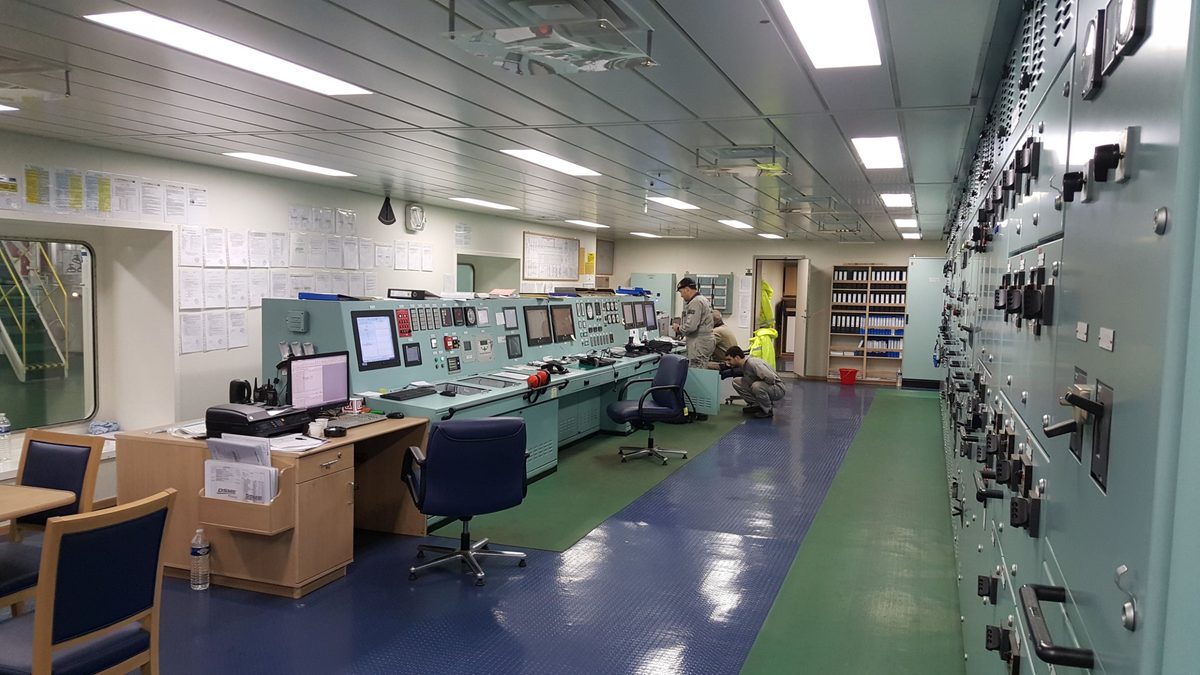

See how a sample becomes a report
From sampling kit to findings and recommendations.
Talk to us about your fleet
Tell us the engine types and the number of vessels, and we will come back to you with how sampling would work for you and what the reports would cover.